
 View in the ChatGPT registry
- Brand
- Unknown
- Category
- Pending
- Primary Subcategory
- Pending
Integration details
Description
Create a front cover for your ebook, Kindle book or print book. Tell ChatGPT the title, the subtitle, the author name, the genre and the look you want, and you get a cover in 2:3 portrait format with the title and the author name set into the design. The plugin prepares a draft that keeps your cover text exactly as you wrote it and shows the image model it will use. When you confirm, Abracadabrax renders the cover and ChatGPT returns the link to the image. Built for self-published authors and small publishers who need a clean, readable cover. Limitations: front covers from text only. It does not design spines or back covers, edit an uploaded cover, or copy the cover of an existing book. Producing needs a signed-in Abracadabrax account. If you are not signed in, the plugin gives a link where the same draft opens on Abracadabrax. Outputs are AI-generated.
- Integration type
- Plugin
- Verification status
- Not applicable
- Platform
- ChatGPT
- Category
- Pending
- Primary Subcategory
- Pending
- Secondary Subcategories
- None listed
- Brand
- Unknown
- Access
- Account optional
- First tracked
- 2026-10-29
- Tool count
- 5
- Market
- US
The broad Category that contains the Primary Subcategory.
The Primary Subcategory used for this profile’s headline score.
Other Subcategories where the Integration is listed.
 Agent DiscoverabilityChatGPT Plugin Discovery Score
Your score is coming
ChatGPT now suggests Plugins on its own when they match a user's request.Your Plugin Discovery Score measures how often yours appears, and it will show here as soon as it’s ready.
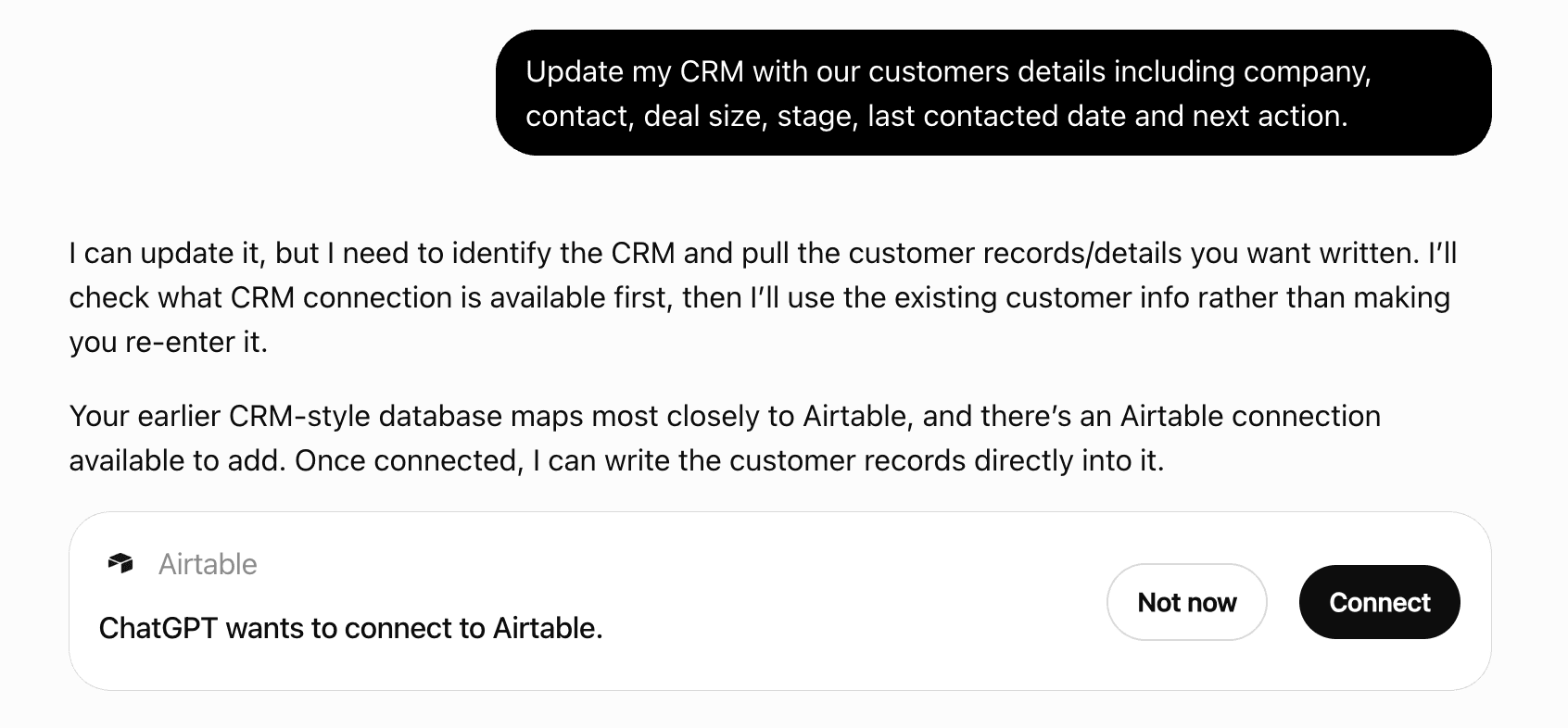
What discovery looks like
Get alerts for Abracadabrax Book Covers
Get updates when Abracadabrax Book Covers’s Discoverability Score or category rank changes.
Competitive lineup
5 tools agents can invoke

Abracadabrax Book Covers ChatGPT Plugin FAQ
How the directory, categories and Discoverability Score work.
Read the methodologyHow do I improve Abracadabrax Book Covers's ChatGPT Plugin discoverability?
The levers are the listing surface agents actually read: names, descriptions, keywords, tool metadata, and registry health. Which lever matters depends on where discovery breaks, which is what continuous measurement shows.
Where is this profile measured?
This profile uses the geography attached to the latest public registry snapshot: US. Locale tags are intentionally omitted.