
DEEPBOM Artifact Evidence
Inspect AI model artifacts
 View in the ChatGPT registry
- Brand
- Unknown
- Category
- Pending
- Primary Subcategory
- Pending
Integration details
Description
Inspect attached AI model deployment files without executing model code. DEEPBOM analyzes supported TFLite, ONNX, GGUF, SafeTensors, Core ML, and ExecuTorch files in the browser and reports SHA-256, serialized structure, tensor encodings, quantization evidence, and static findings. Explore Model IR tables and visualizations, and export SVG, PNG, Word-ready bundles, CycloneDX 1.7 artifact evidence, or SPDX 2.3 artifact inventories. Use Send PNG to chat to share a selected visualization or Save via ChatGPT to obtain a download link for a generated file when supported by the host. These actions share the generated export, not the model file. Results separate artifact defects, cautions, and evidence gaps, and explain what static analysis cannot establish. Use the local CLI or local MCP for confidential, very large, sharded, or multi-file artifacts.
- Integration type
- Plugin
- Verification status
- Not applicable
- Platform
- ChatGPT
- Category
- Pending
- Primary Subcategory
- Pending
- Secondary Subcategories
- None listed
- Brand
- Unknown
- Access
- No account required
- First tracked
- 2026-09-30
- Tool count
- 7
- Geography
- US
The broad Category that contains the Primary Subcategory.
The Primary Subcategory used for this profile’s headline score.
Other Subcategories where the Integration is listed.
 Agent DiscoverabilityChatGPT Plugin Discovery Score
ChatGPT Plugin discovery is coming soon
ChatGPT can surface a Plugin when it matches a user's request.Your Plugin Discovery Score measures how often yours appears.
No spam. Unsubscribe any time.
What discovery looks like
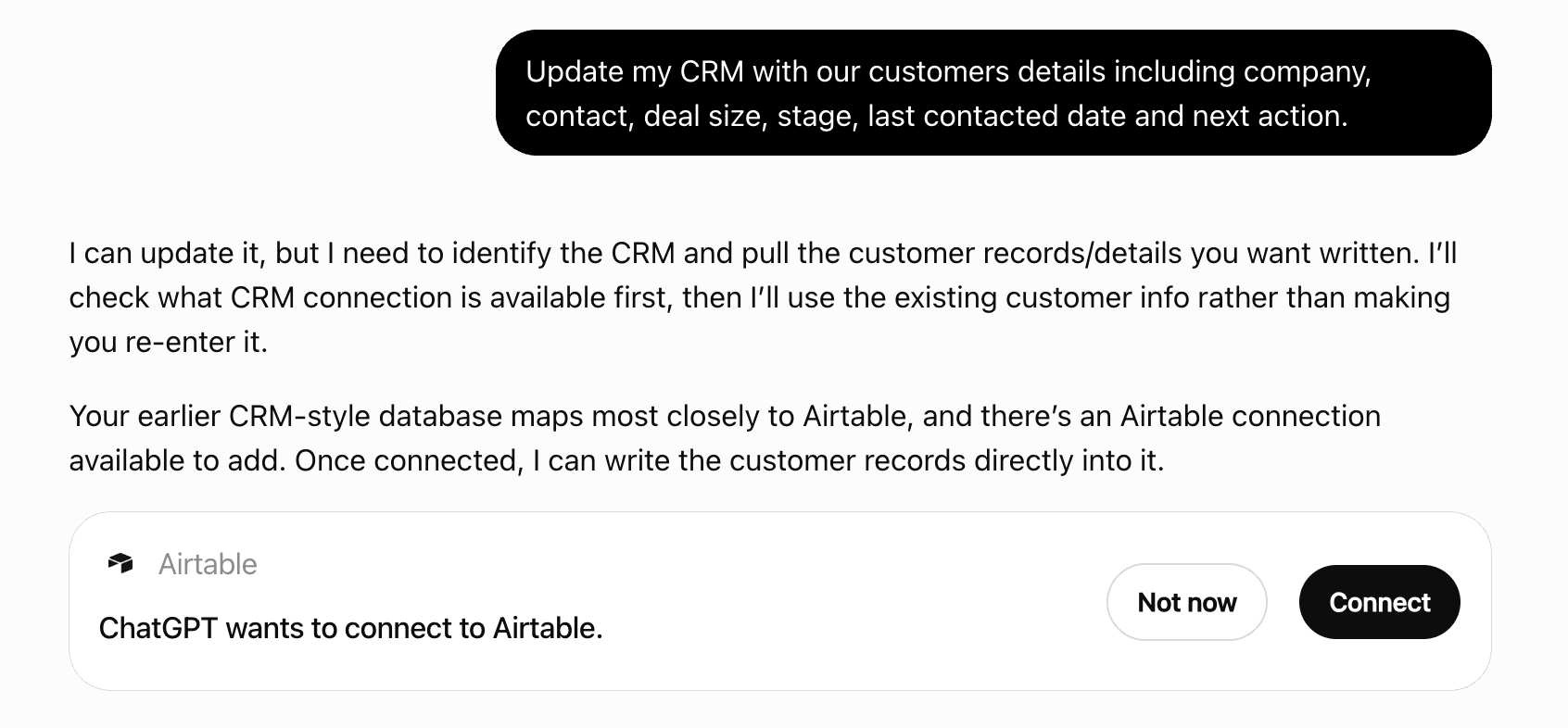
Get alerts for DEEPBOM Artifact Evidence
Get updates when DEEPBOM Artifact Evidence’s Discoverability Score or category rank changes.
Competitive lineup
7 tools agents can invoke

DEEPBOM Artifact Evidence FAQ
How the directory, categories and Discoverability Score work.
Read the methodologyHow do I improve a ChatGPT Plugin's discoverability?
The levers are the listing surface agents actually read: names, descriptions, keywords, tool metadata, and registry health. Which lever matters depends on where discovery breaks, which is what continuous measurement shows.
Where is this profile measured?
This profile uses the geography attached to the latest public registry snapshot: US. Locale tags are intentionally omitted.